

Japanese Car Import Checklist: Auctions, Grades & Prep | Vine Place
Buying a Japanese Import – Things You Need to Know
At first look, a Japanese MPV roaring around a sun-drenched British racetrack seems like a mismatch. It’s a scenario few owners will ever experience, but the analogy perfectly illustrates the two most critical risks in the import market: mileage fraud and hidden accident history.
Imagine pushing that vehicle to its limit through a corner. In that moment, your life depends on the car being exactly what it claims to be. You need to trust that the engine isn't a 200,000-mile unit disguised as a low-mileage gem, and that the chassis hasn't been structurally weakened by a substandard "export-grade" repair in Japan.
While most of our customers aren't hitting the apex at Silverstone, they are carrying their most precious cargo—their families—on the M1 or through busy city streets. The "Race on Sunday, Drive on Monday" mantra was once about performance; today, at Vine Place, we apply it to integrity. Choosing a car with a falsified history isn't just a bad financial move; it’s a safety risk that is entirely avoidable with the right checks.
Buying a Japanese import can be one of the smartest ways to own a high-quality, well-specified and carefully maintained vehicle. Japan has one of the most advanced automotive cultures in the world, and every year up to 1.2 million used cars are exported from Japan, making a significant contribution to the Japanese economy.
However, not all imports – and not all importers – are equal. Understanding how Japanese cars are sold, graded and prepared is essential if you want to buy with confidence. This guide explains everything you need to know, and how Vine Place ensures every Japanese import meets the highest possible standards for UK buyers.
How Japanese Used Cars Are Sold

Most Japanese used cars are sold through an extensive and highly regulated auction system. These auctions are nothing like informal car sales – they are tightly controlled, professionally inspected, and supported by detailed condition reports.
Before a car enters auction, it is inspected by trained graders who assess:
- Exterior condition
- Interior condition
- Mechanical health
- Accident history
- Modifications and wear
The result is a Japanese auction grading report, which is one of the most important documents when buying a Japanese import.
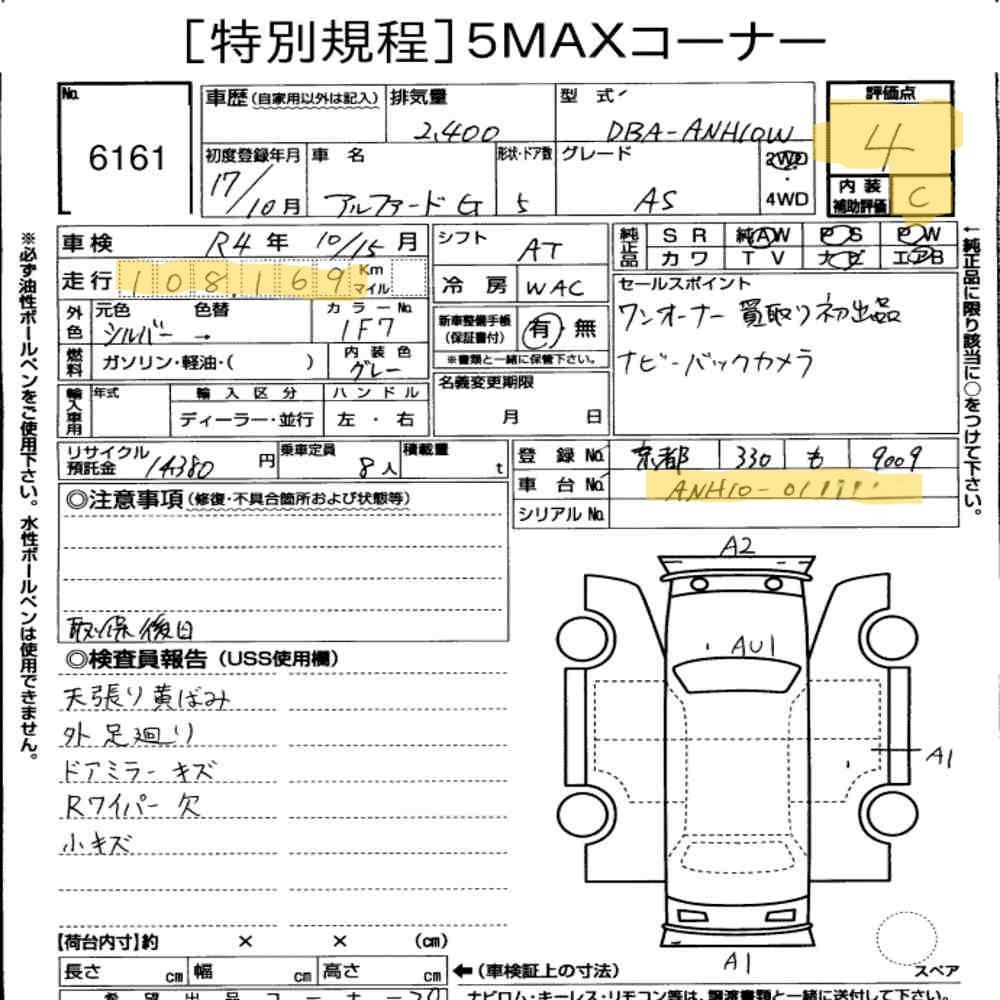
Understanding the Japanese Auction Grading System
Japanese auction grades provide an honest snapshot of a car’s condition. Knowing how to interpret them is critical.
Grades You Should Accept
- Grade 4 – A good, clean car with minimal wear. This is the ideal standard for most buyers.
- Grade 4.5 – Excellent condition - very well cared for.
The Absolute Minimum
- Grade 3.5 – This is the lowest grade you should ever consider. Below this, wear, damage or neglect becomes far more likely.
Grades to Avoid
- Grade 0, R or RA – These cars have accident history, similar to Category C or D vehicles on the HPI register in the UK. The problem is not just the accident itself, but the fact that there is no reliable way to verify the standard of repair. These cars should always be avoided.
Unfortunately, some unscrupulous dealers deliberately buy low?grade or accident cars and sell them in the UK at prices similar to high?grade vehicles. This is why transparency and documentation are so important. At Vine Place, we insist on clear evidence of auction grades and accident?free history before we buy any vehicle for our Japanese imports showroom.
Why the Japanese Change Their Cars So Often
Japanese vehicles often have remarkably low mileage and excellent condition, and there are good reasons for this:
- Shaken inspections – The Japanese roadworthiness test (Shaken) becomes increasingly expensive as a car ages.
- Cultural preference for newer models – Many owners prefer to upgrade regularly.
- Excellent servicing culture – Routine maintenance is taken very seriously.
The result is a steady supply of high?quality used cars that are ideal for export.
Mileage, Clocking and Why Proof Matters
While Japanese owners are generally very honourable, there is unfortunately a significant clocking culture once vehicles enter the export chain. It is not uncommon for a car to leave Japan with one mileage and arrive in the UK with much less.
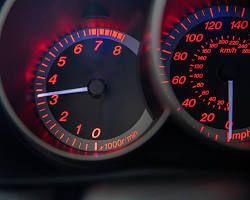
Accepted Mileage Verification Options
- Car VX Report
- JEVIC Certificate
- JUMVEA Report
- BIMTA Mileage Certificate (The Gold Standard)
A BIMTA Mileage Certificate carries out all the checks of the above and provides an insurance?backed financial guarantee that compensates the owner if the mileage later proves to be incorrect.

Manufacturer Recalls – Another Critical Check
A good importer will also check for any outstanding manufacturer recalls and provide proof they have been completed. This can be verified through manufacturer databases or trusted reports such as Car VX.

Preparing a Japanese Import for UK Roads
Once the car arrives in the UK, correct preparation is essential. At Vine Place, preparation goes far beyond the minimum legal requirements.
Essential UK Modifications
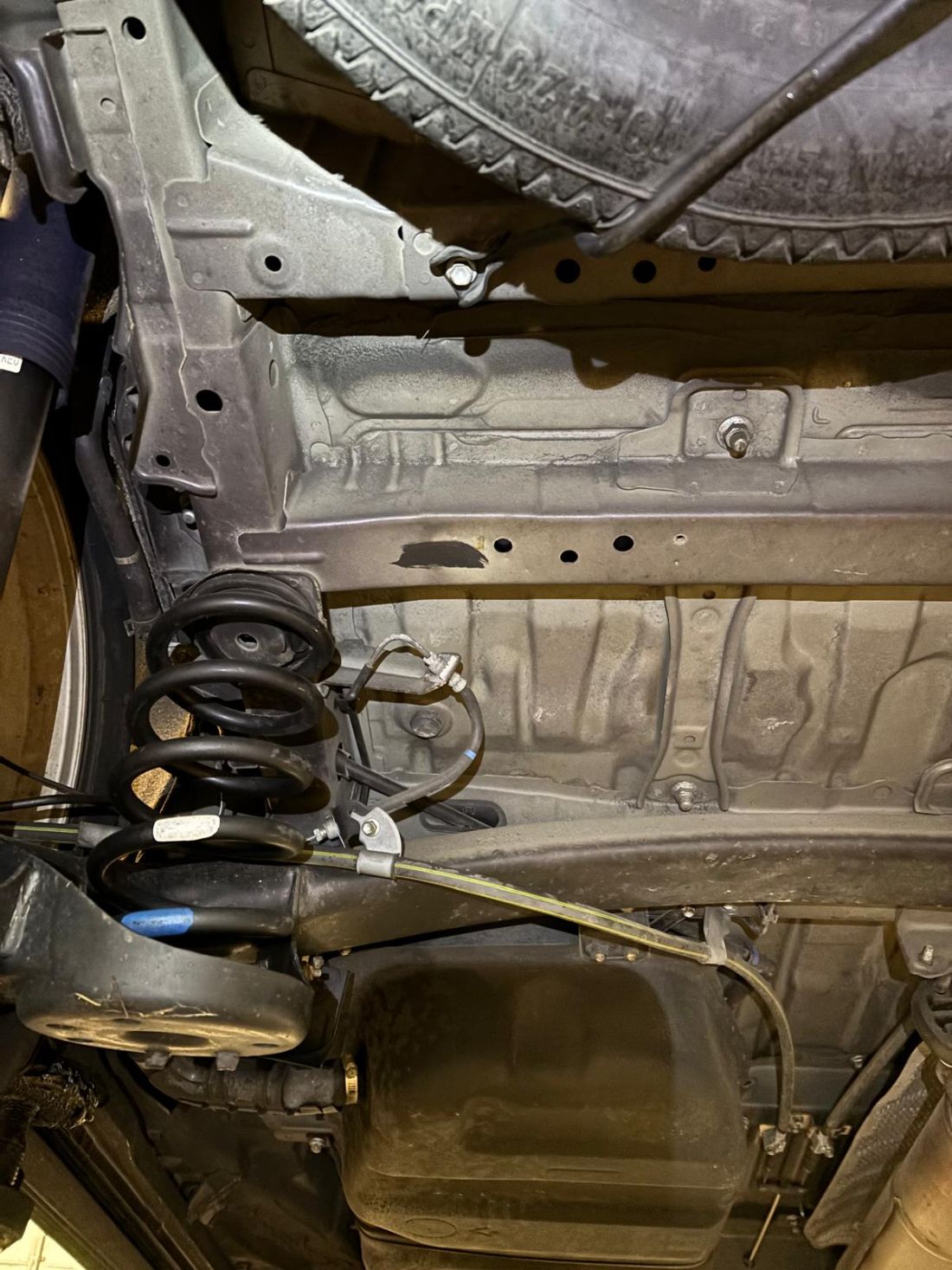
- Undersealing to protect against British winters and road salt.
We want to keep the cars in this condition for as long as possible.
- MPH speedometer conversion.
- Rear fog light fitted (a legal requirement in the UK).
Vine Place fit rear fog lights within the car’s original light cluster, preserving the factory appearance rather than adding unsightly external lamps.

Inspection, MOT and Registration
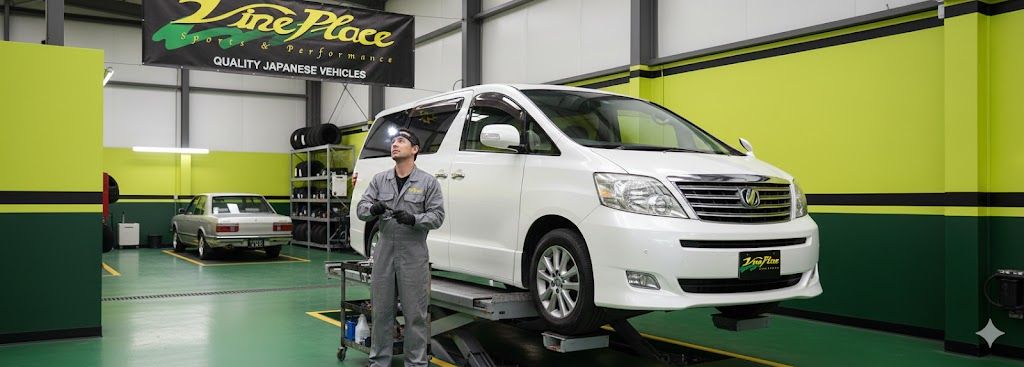
Before registration, every car is fully serviced, MOT tested, and any MOT failures and advisories are rectified – not just the bare minimum. At handover, we provide a PDI checklist showing exactly what parts have been replaced.
Optional Extras from Vine Place
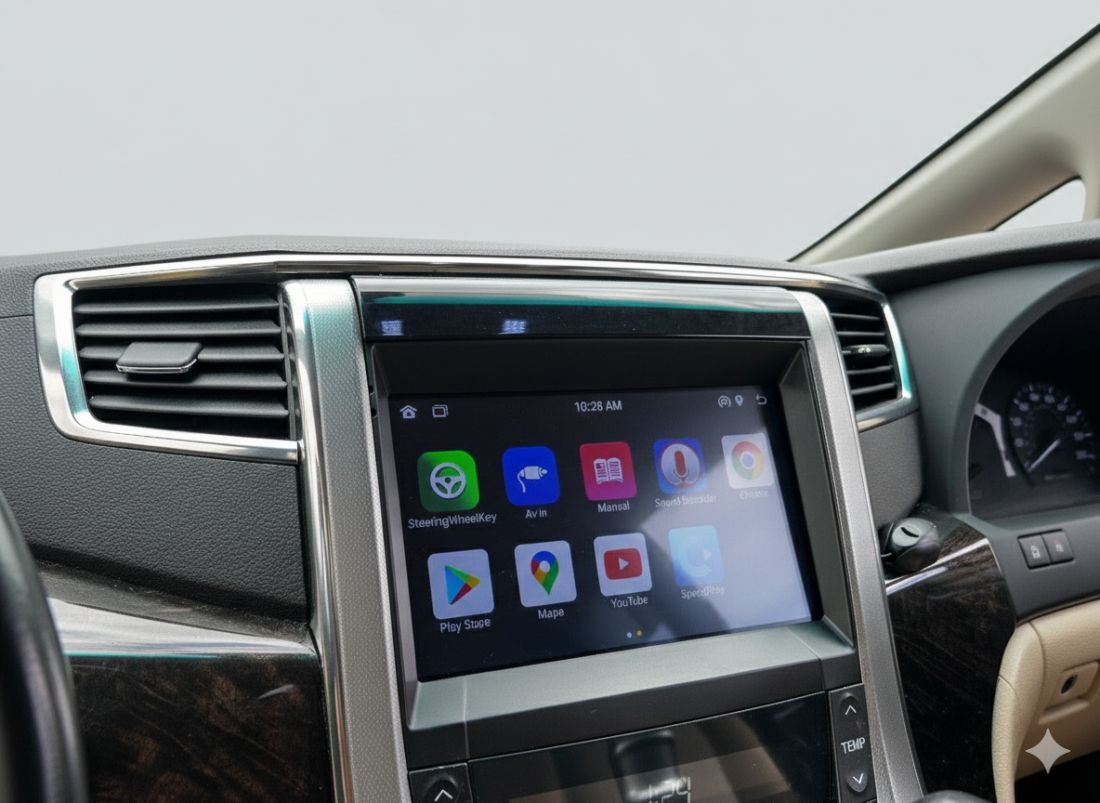
At this stage, customers can also specify upgrades such as Tow bars or Apple CarPlay / Android Auto upgrades. These are installed before handover, ensuring the car is ready to enjoy from day one.
Finishing Touches – Presentation Matters
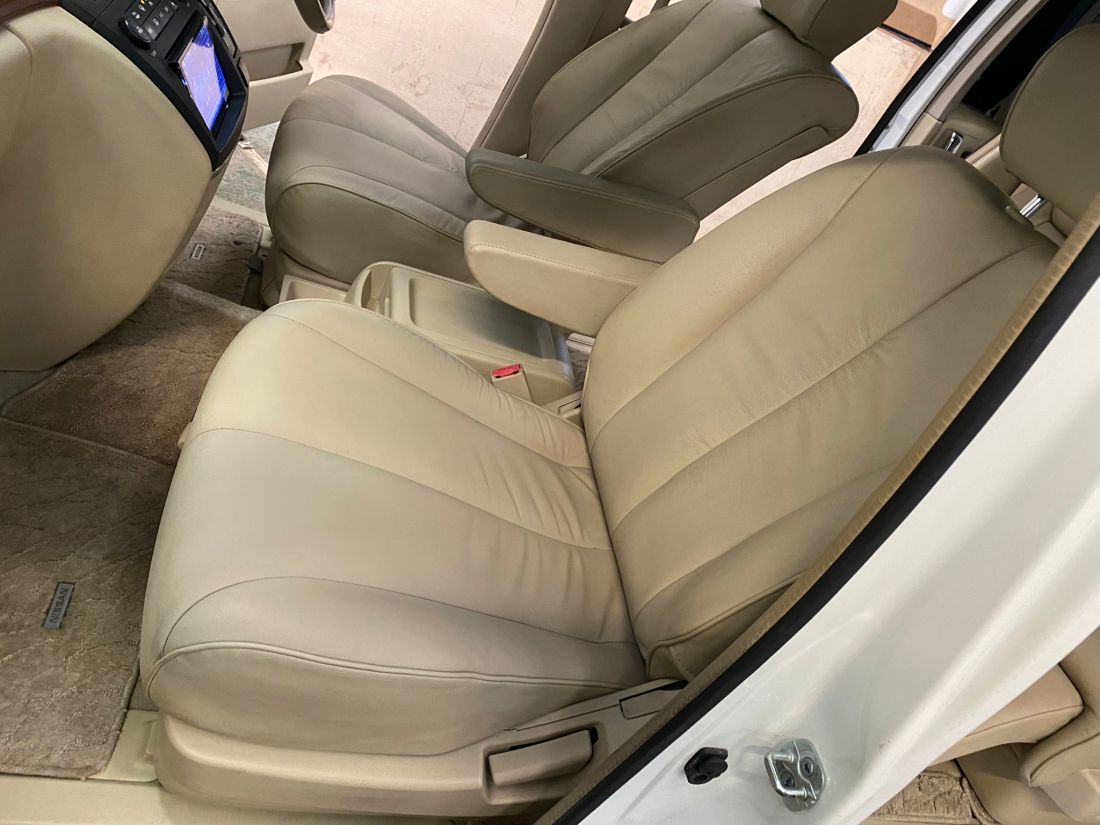
Once all remedial and preparation work is complete, Vine Place cars receive a two?stage machine polish and a protective wax finish to restore that factory gloss. Interiors are cleaned and leather treated.
Japanese Import Buyer Checklist
Before buying, ask your importer:
- Have you seen the auction grade (3.5 or above)?
- Is there evidence of manufacturer recalls being completed?
- Is there an independent mileage guarantee (ideally BIMTA)?
- Has the car been undersealed?
- Does the car have an MPH speedometer and a proper rear fog light?
- Have all MOT advisories been rectified?
Why Buy from Vine Place?
At Vine Place, transparency, preparation and quality are non?negotiable. Our Nissan Elgrands, Toyota Alphards, Vellfires and Hondas are all high-grade, mileage-warranted cars.
We have been established since 1988 and involved in Japanese imports since 1996, with over 450 4.9+ star reviews. You can read our online reviews here.
If you’re considering a Japanese import and want expert guidance, contact Vine Place today – and buy with confidence.