
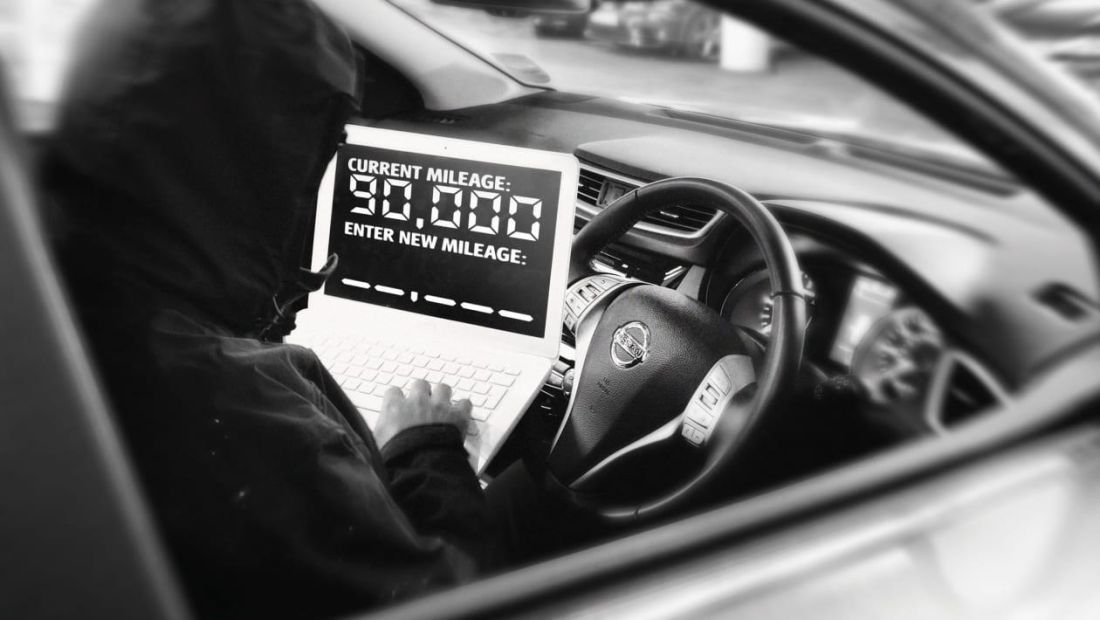
Bought a Clocked Imported Car? What to Do About Incorrect Mileage in the UK
Clocked Cars and Incorrect Mileage – What You Need to Know
If you’ve discovered that a car you’ve purchased has incorrect mileage, you are not alone. Mileage discrepancies are one of the most common issues in the used car market, particularly with imported vehicles.
This guide explains how to check a vehicle’s true mileage, how to identify if it has been misdescribed, and what steps you can take to recover your money. Whether the issue involves a UK vehicle or a Japanese import, understanding the correct process can make a significant difference to the outcome.
Dealing with Clocked Cars and Misdescribed Imports
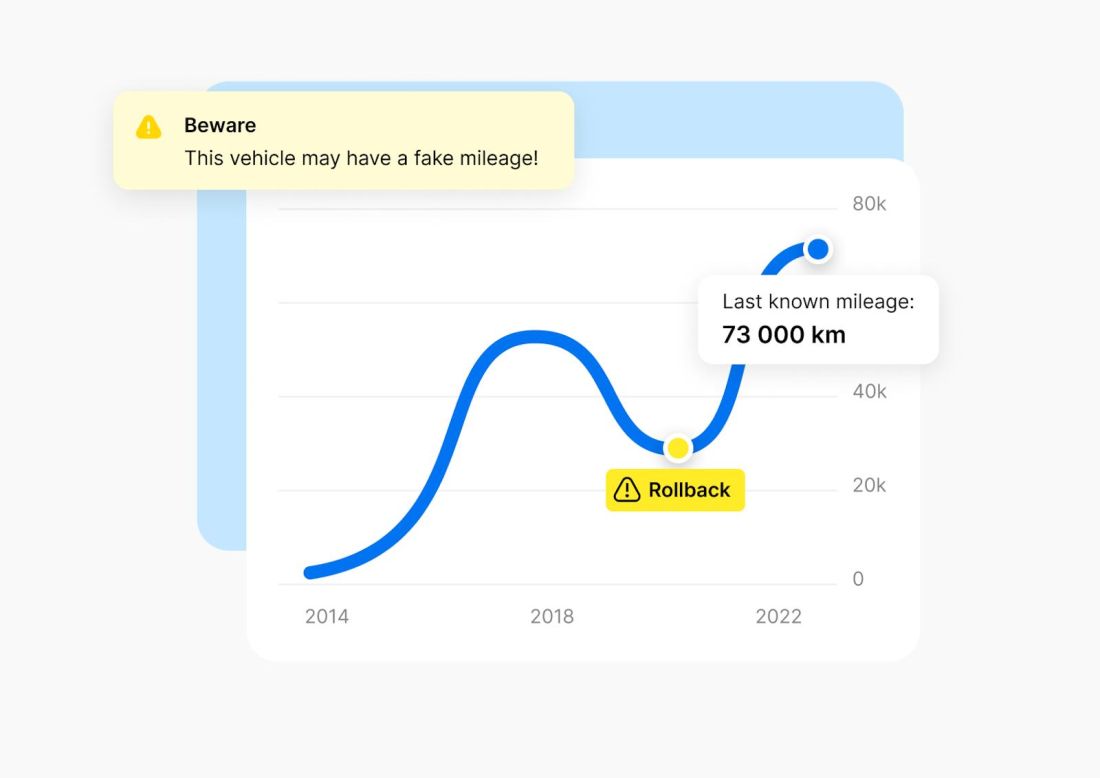
There appears to be a growing issue in the UK market where vehicles purchased from Japanese auctions with high mileage are being imported and subsequently advertised with significantly lower mileage.
A similar issue is arising with vehicle grades. Increasingly, we are seeing customers who have been told their vehicle is Grade 3.5, 4 or 4.5, only to later discover it is in fact a lower grade, or even an R or RA grade vehicle, meaning it has previously been involved in an accident and repaired.
In both cases, the vehicle has been misdescribed at the point of sale. Where this is proven, the customer may be entitled to a refund or compensation, depending on how long the vehicle has been owned and how it has been used.
For example, if the issue is discovered within a few months, a full rejection and refund may be appropriate. If several years have passed and the vehicle has otherwise performed as expected, a partial refund or compensation is more likely.
It is important to understand that this type of situation goes beyond normal consumer timeframes. Where a vehicle has been misrepresented, the standard 30-day right to reject or 6-month rule under the Consumer Rights Act 2015 is not the limit of your rights.
Clocked Cars
While the physical act of altering a vehicle’s mileage is not, in itself, typically prosecuted on its own, selling a vehicle with incorrect mileage without clearly disclosing this is a serious matter.
This may amount to offences under the Fraud Act 2006 and the Consumer Protection from Unfair Trading Regulations 2008.
Put simply, if a vehicle is sold with mileage that is not correct, and the buyer is not made aware, this is likely to be considered misrepresentation and may be treated as fraud.
It is not necessary for a buyer to prove who altered the mileage. The issue is the sale of the vehicle in a misdescribed condition, not who carried out the alteration.
Accident Damaged Cars (R / RA Grade)
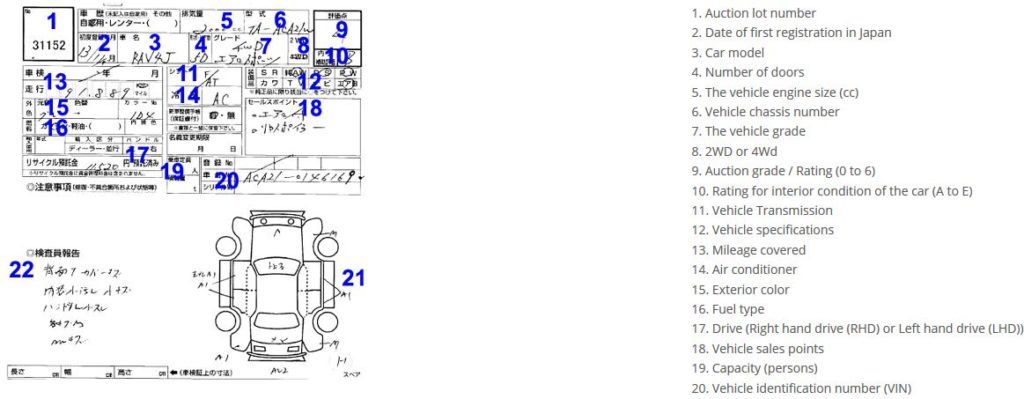
If you are looking at imported Japanese vehicles, you may come across terms such as R grade or RA grade. These are auction grading terms used in Japan to describe a vehicle’s history and condition.
An R grade vehicle is one that has been involved in an accident and has required repair. This can include structural repairs, replacement panels, or damage significant enough to affect the vehicle’s original condition.
An RA grade vehicle typically indicates more severe accident damage and more extensive repair work.
Even if repairs have been carried out to a good standard, these vehicles are still classed as accident damaged.
Accident history is a material fact. It directly affects value, desirability, and buyer confidence. If a vehicle is sold as “non-accident”, “clean history” or similar, and this proves to be untrue, this is likely to amount to misrepresentation.
Important – When This Does NOT Apply
It is important to be fair and realistic.
If a seller has clearly disclosed:
- that the mileage is incorrect, or
- that the vehicle has had previous damage
then there may be no misrepresentation.
Equally, this process should not be used simply because a vehicle is not “perfect”. These are used vehicles, often over 10 years old, and some wear and tear is entirely normal.
How to Check a Vehicle’s Mileage and Grade
If you have concerns, the first step is to gather evidence.
At Vine Place, we use BIMTA and CarVX, as we consider them reliable and thorough.
1. Obtain a BIMTA Mileage Check
BIMTA provides mileage verification based on Japanese export data.
Due to data access changes, checks are no longer available directly to the public, but we can assist with this if required.
You will need:
- vehicle chassis number
- your contact details
- fee of £61 + VAT (£73.20)
Email: [email protected]
2. Carry Out a CarVX Report
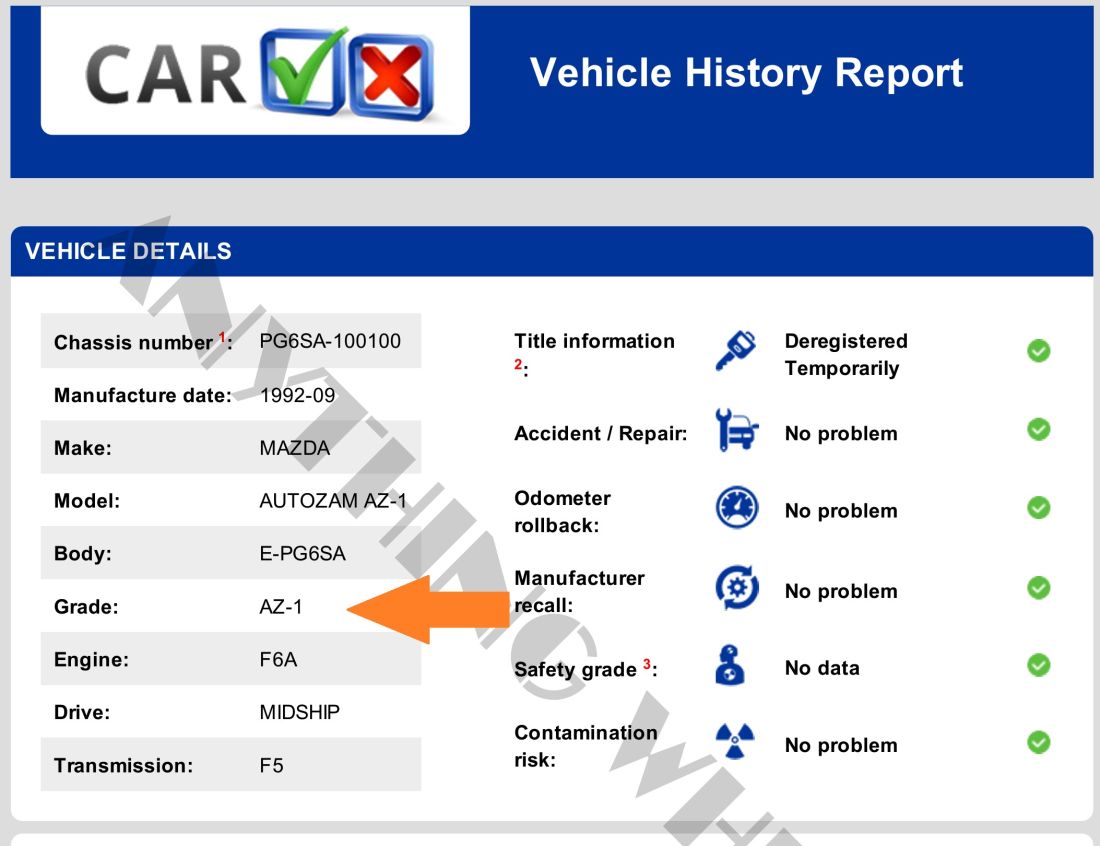
A CarVX report can provide:
- auction sheets from Japan
- mileage at time of auction
- vehicle grade (including R / RA)
https://carvx.jp/car-vx-report
This allows you to clearly see whether the mileage or condition has been misrepresented.
3. Check the MOT History
https://www.check-mot.service.gov.uk/
This often highlights where mileage discrepancies occurred between import and UK registration.
4. Gather Your Evidence
You should collect:
- original advert
- invoice and purchase documents
- emails, messages or WhatsApp conversations
- any reports (BIMTA / CarVX)
You are building a clear picture of:
- how the vehicle was described
- how that differs from reality
Reporting a Clocked or Misdescribed Vehicle
If you discover that a vehicle has incorrect mileage or has been misdescribed, it is important to report the matter through the correct channels.
This not only helps protect other buyers but also supports your position if you are pursuing a claim.
Who Should You Report It To?
The correct route in the UK is via Citizens Advice.
https://www.citizensadvice.org.uk/consumer/
0808 223 1133
Citizens Advice will:
- record the details of your complaint
- provide guidance
- pass the case to Trading Standards where appropriate
How to Pursue a Claim
If you believe the vehicle has been misdescribed, the correct approach is structured escalation. At the end of the article we have some downloadable links you can use as a base for letters.
Important – Finance Changes Everything
If you used finance (even for part of the deposit), the finance company may be equally responsible under the Consumer Credit Act 1974.
Step 1 – Write to the Dealer (and Finance Company)
Set out:
- what the vehicle was described as
- what you have discovered
- the evidence
- what outcome you want
- Word template are all at the end of the article. 5 minutes to download and complete.
- Send all letters signed for and keep copies.
Step 2 – Escalate if Necessary
If unresolved:
- escalate to the finance company
- then to the Financial Ombudsman Service
- Word template are all at the end of the article. 5 minutes to download and complete.
Step 3 – Court Action
https://www.moneyclaim.gov.uk/web/mcol/welcome
This is the UK small claims process.
Final Thoughts
If a vehicle has genuinely been misdescribed, there are clear legal routes available.
The key is to:
- gather evidence
- follow a structured process
- remain clear and reasonable
A Note on Buying Safely
At Vine Place, we place a strong emphasis on:
- verified mileage
- high-grade, non-accident vehicles
- careful selection and inspection
We believe customers should be able to buy with complete confidence.
Letter Templates
Here are downloadable letters templates to help with your complaint.
1. Accident Damaged Car - First Letter to Dealer.
2. Accident Damaged Car - Second Letter to Dealer.
3. Clocked Car - First Letter To Dealer.
4. Clocked Car - Second Letter To Dealer
5. Finance Company - First Letter.
6. Finance Company - Second Letter.
7. Letter to Financial Ombudsman.
Disclaimer
Vine Place’s Import Hub provides guidance based on industry experience. We are not a law firm, and this information is intended as general guidance only. For specific legal advice, we recommend contacting Citizens Advice or a qualified solicitor.